Foundations That Stop Flooding Before It Starts
Drainage and Water Management in Zanesville for properties dealing with standing water, soil instability, and repeated runoff damage
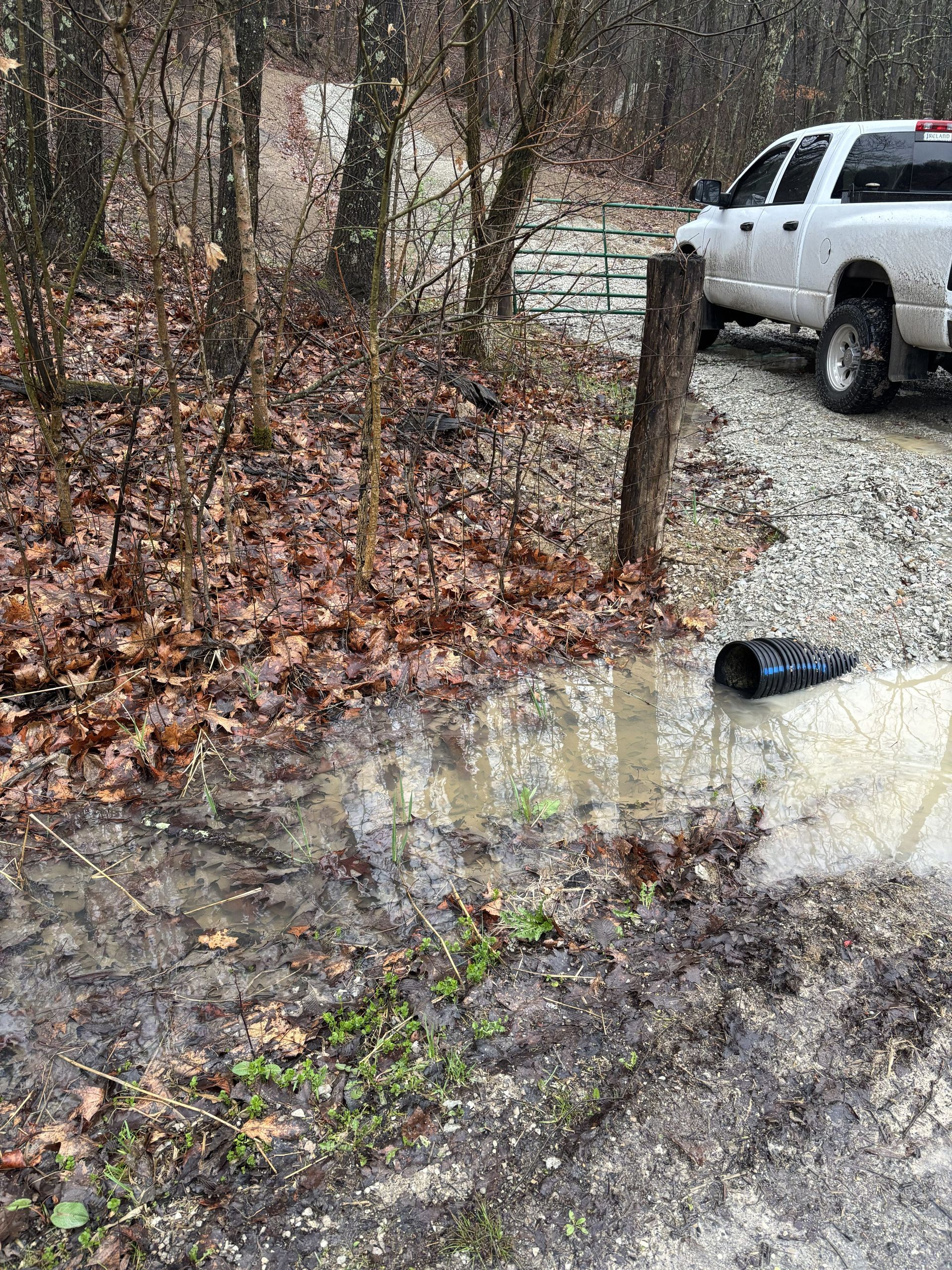
Water that doesn't drain properly changes the ground beneath your property, turning stable soil into saturated earth that shifts, erodes, and undermines structures over time. Old Iron Land Works llc addresses these conditions through grading adjustments, water diversion planning, and long-term runoff management strategies designed for residential properties, large rural lots, and sloped terrain throughout Zanesville. When heavy rainfall creates flooding patterns that wash out driveways, pool around foundations, or leave standing water for days, the solution starts with understanding how elevation, soil composition, and natural flow patterns interact on your specific site.
This service involves evaluating property elevation and existing drainage paths to identify where water accumulates, how quickly runoff moves across the land, and what obstructions or grade issues prevent proper flow. Grading corrections redirect water away from vulnerable areas, while strategically placed diversion channels guide runoff toward absorption zones or controlled discharge points that prevent downstream erosion and flooding.
Schedule a property evaluation to identify specific drainage concerns affecting your land and structures.
How Water Control Protects Property Long-Term
Comprehensive water management involves more than moving water off the surface; it requires controlling the speed and direction of runoff to prevent the erosive force that degrades soil structure and destabilizes slopes. Solutions are customized based on property elevation, soil conditions, and water flow patterns observed during typical rainfall events and seasonal saturation periods common to Ohio's climate.
After grading adjustments and diversion systems are in place, you notice water moving away from foundations and low areas instead of pooling, driveways that no longer wash out during storms, and soil that remains stable rather than eroding into channels and gullies. Old Iron Land Works llc designs these systems to handle the volume and intensity of heavy rainfall conditions, ensuring that even significant weather events don't overwhelm the property's drainage capacity.
Effective water management also addresses the interaction between surface runoff and subsurface saturation, which affects how quickly soil can absorb additional rainfall and whether standing water persists for extended periods. Systems are planned to account for seasonal variation in water table levels and soil permeability, factors that change throughout the year and influence drainage performance over time.
What Landowners Ask About Water Management
Property owners dealing with flooding risks and unstable soil conditions often have questions about how water control systems function and what results to expect after installation.
What causes water to pool in certain areas of my property?
Water accumulates where the ground lacks sufficient slope to move runoff toward discharge points, where soil compaction prevents absorption, or where natural drainage paths have been disrupted by grading changes, structures, or vegetation removal that altered original flow patterns.
How do grading adjustments improve drainage performance?
Regrading creates deliberate slopes that direct water away from structures and low points, typically establishing a minimum fall of two percent to ensure gravity moves runoff efficiently without creating erosive velocities that damage soil or vegetation.
When should water management solutions be installed on rural properties in Zanesville?
Installation is most effective during dry conditions when soil can be properly shaped and compacted, typically late summer through early fall before freeze-thaw cycles complicate earthwork and before spring rains test the system's capacity.
What happens to runoff after it's diverted from problem areas?
Diverted water is directed toward absorption areas with porous soil, existing drainage swales, or controlled discharge points that disperse flow without causing erosion or transferring flooding problems to adjacent properties or roadways.
How does soil type affect water management planning?
Clay-heavy soils common in Ohio absorb water slowly and hold moisture longer, requiring systems that prioritize surface diversion and controlled flow rather than relying solely on infiltration, while sandy soils drain quickly but may require stabilization to prevent channel erosion.
Old Iron Land Works llc develops water management plans that address the specific conditions affecting your property's drainage performance. Contact our team to discuss long-term drainage and water control solutions tailored to your land's elevation, soil composition, and runoff patterns.