
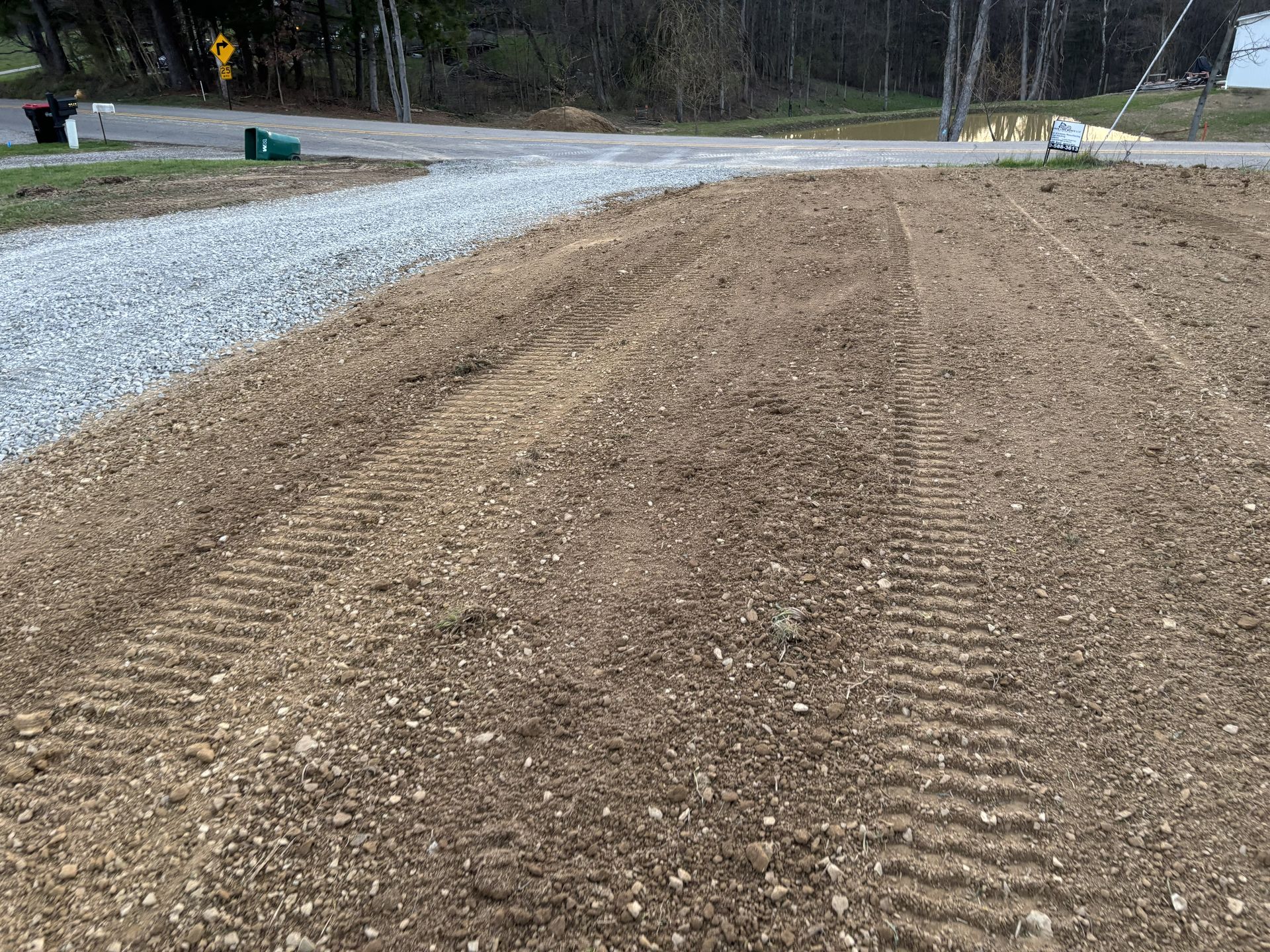
Property Lines You Can See Again
Land Clearing and Property Cleanup in Zanesville for overgrown acreage, storm debris, and construction preparation
Overgrown brush and accumulated debris make rural properties inaccessible and hide drainage problems that worsen with each storm. Old Iron Land Works llc provides land clearing and cleanup services across Zanesville and central Ohio communities, removing vegetation that blocks access roads, obscures property boundaries, and creates fire hazards during dry months. The process opens sightlines, restores usability to neglected sections of land, and prepares sites for future construction or agricultural use.
Clearing work involves removing brush, small trees, stumps, and accumulated organic debris using equipment designed for rough terrain and heavy growth. Operators separate material that can be chipped or burned on-site from debris requiring off-site disposal, then grade the cleared area to address any drainage issues revealed once vegetation is removed.
Request a clearing estimate to address specific overgrowth, debris removal, and site preparation requirements.
What Proper Clearing Requires
Effective clearing starts below the visible canopy by removing root systems that will resprout if left in place. Equipment operators cut flush to grade rather than leaving stumps that interfere with future mowing or construction, and they remove invasive species that spread aggressively across rural Ohio properties. The work exposes underlying terrain features that affect drainage, revealing low spots where water pools and slopes that need reshaping to prevent erosion.
After clearing, property owners notice improved airflow that reduces moisture buildup and pest habitat, clear access to fence lines and outbuildings previously hidden by growth, and visibility that makes land monitoring and maintenance feasible again. The removal of dead trees and unstable limbs reduces storm damage risk, while opened canopy allows sunlight to reach ground level for seeding or landscaping.
Cleanup scope varies depending on how long the property has been neglected and whether previous clearing work left debris piles or incomplete stump removal. Storm cleanup often requires separating damaged trees from standing timber and clearing fallen material before it becomes a fire hazard or breeding ground for wood-boring insects.
Answers to Frequent Service Questions
Landowners preparing properties for sale, construction, or improved usability commonly ask about the clearing process and what to expect after brush removal.
What happens to the material removed during clearing?
Brush and smaller debris are typically chipped on-site and spread as mulch or removed entirely depending on your preference. Larger logs can be cut to firewood length and stacked, while stumps and root balls are either ground below grade or hauled away based on what the land will be used for next.
How does clearing improve property safety in rural areas?
Removing dead trees eliminates fall hazards during windstorms, clearing dried brush reduces wildfire risk during summer months, and opening sightlines makes it easier to spot trespassers or wildlife near structures and livestock areas.
When should clearing happen to prepare land for construction?
Clearing should occur before site surveys and utility installation so that equipment can access all corners of the property and surveyors can establish accurate boundary markers without obstruction from overgrowth.
Why does overgrowth return quickly on some properties?
Invasive species like multiflora rose and autumn olive resprout from root systems unless those roots are fully removed or treated. Properties with nutrient-rich soil and ample moisture see faster regrowth, especially if clearing happens during the growing season without follow-up maintenance.
What equipment is needed for heavily wooded or uneven lots?
Track-mounted brush cutters and forestry mulchers handle slopes and soft ground more effectively than wheeled equipment, and they can process thick growth in a single pass rather than requiring multiple cuts and debris hauling trips common with chainsaw-only clearing methods.
Old Iron Land Works llc assesses each property's vegetation density, terrain challenges, and intended use before recommending clearing methods and debris handling approaches. Contact the team to discuss timeline and equipment requirements for your specific property conditions.