
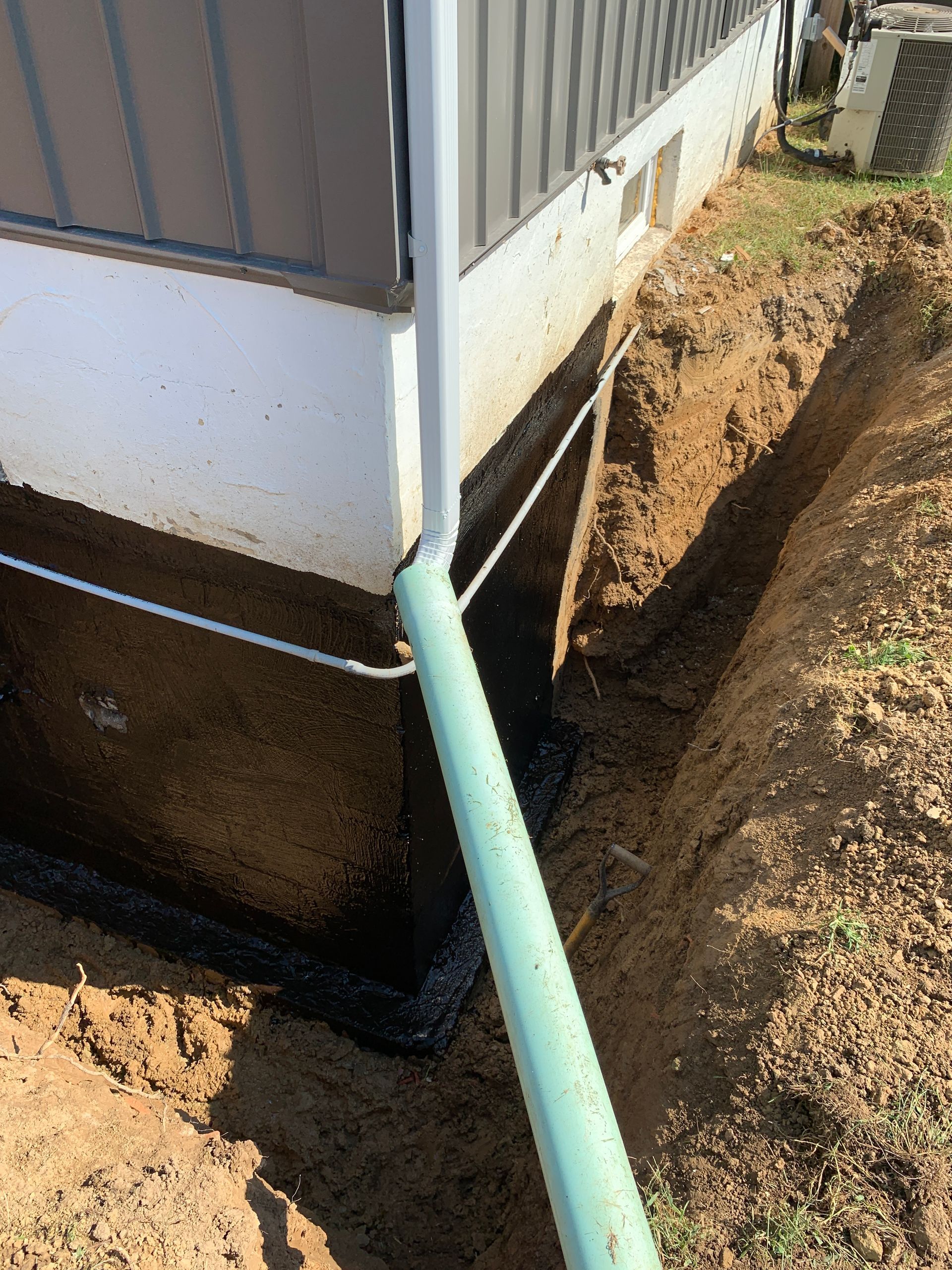
Systems That Stop Chronic Wet Spots
Drainage Installation in Zanesville for properties with foundation threats, yard flooding, and erosion damage
Water pooling near foundations, driveways that turn into streams during storms, and yard sections that never dry out all point to inadequate drainage infrastructure. These problems worsen over time as saturated soil loses structure, frost heave damages hardscaping, and standing water undermines stability around buildings and retaining walls. Old Iron Land Works llc installs drainage systems across Zanesville and surrounding Ohio areas, using French drains, surface collection systems, and piped solutions to redirect runoff before it causes structural damage or renders property sections unusable.
Drainage installation begins by identifying where water enters the problem area, where it needs to discharge, and what obstacles exist along that path. Excavation creates trenches at depths and slopes calculated to move water by gravity, and perforated pipe surrounded by graded stone provides a pathway for subsurface flow while filtering out sediment that would clog the system.
Schedule a drainage inspection to assess current water movement patterns and system requirements.
What Changes After Drainage Systems Are Installed
Effective drainage systems intercept water before it reaches vulnerable areas and convey it to locations where dispersal or absorption will not cause damage. French drains capture subsurface water migrating toward foundations or pooling in low yard areas, while surface drains collect runoff from driveways, patios, and roof downspouts before it can concentrate and erode pathways through landscaping. Each component is positioned based on how water currently flows during rain events, with pipe sizing and slope calculations ensuring the system handles peak flow without backup.
After installation, property owners see foundations that remain dry during storms, driveways that shed water instead of channeling it toward structures, and yard areas that drain quickly enough to support healthy turf and prevent mud accumulation. Basement seepage decreases when perimeter drains remove the hydrostatic pressure that forces water through foundation cracks, and hardscaping lasts longer without the freeze-thaw cycling caused by saturated base material.
Drainage projects often combine multiple system types to address complex water movement patterns, particularly on sloped properties where runoff velocity increases erosion risk or in areas with high water tables that keep soil saturated even during dry weather. Discharge planning is critical, as systems that simply move water to a neighbor's property or to unstable slopes create new problems rather than solving existing ones.
Questions Before Starting Your Project
Homeowners and landowners dealing with persistent water problems typically want to understand what drainage work involves and how systems will function long-term in Ohio's variable weather.
What causes drainage systems to fail after installation?
Improper slope allows water to sit in pipes rather than flowing to discharge points, undersized pipes overwhelm during heavy rain, and lack of filtering fabric allows soil to migrate into stone and clog the system over time.
How deep do French drains need to be installed?
Depth depends on what the drain is protecting, but typical installations run eighteen to twenty-four inches below grade to intercept subsurface water before it reaches foundation level, with deeper placement required where frost heave is a concern.
When should drainage be installed relative to landscaping?
Drainage work should be completed before final grading and planting, as excavation disturbs surface conditions and installation is far more difficult and damaging once turf, mulch beds, or hardscaping are already in place.
Why does standing water return in some areas even after drainage installation?
If the system discharges to a location without adequate absorption capacity or if grading still directs additional runoff into the same area, new water will continue to accumulate despite the installed drainage removing the original source.
How does Ohio's clay soil affect drainage system design?
Clay's low permeability means that French drains rely more on interception of flowing water than absorption into surrounding soil, and discharge points must be carefully selected since clay areas will not readily accept large volumes of concentrated runoff.
Old Iron Land Works llc evaluates each property's slope, soil type, and runoff patterns before designing drainage solutions tailored to site-specific conditions. Reach out to discuss your water management challenges and explore installation options that address your property's drainage failures.