
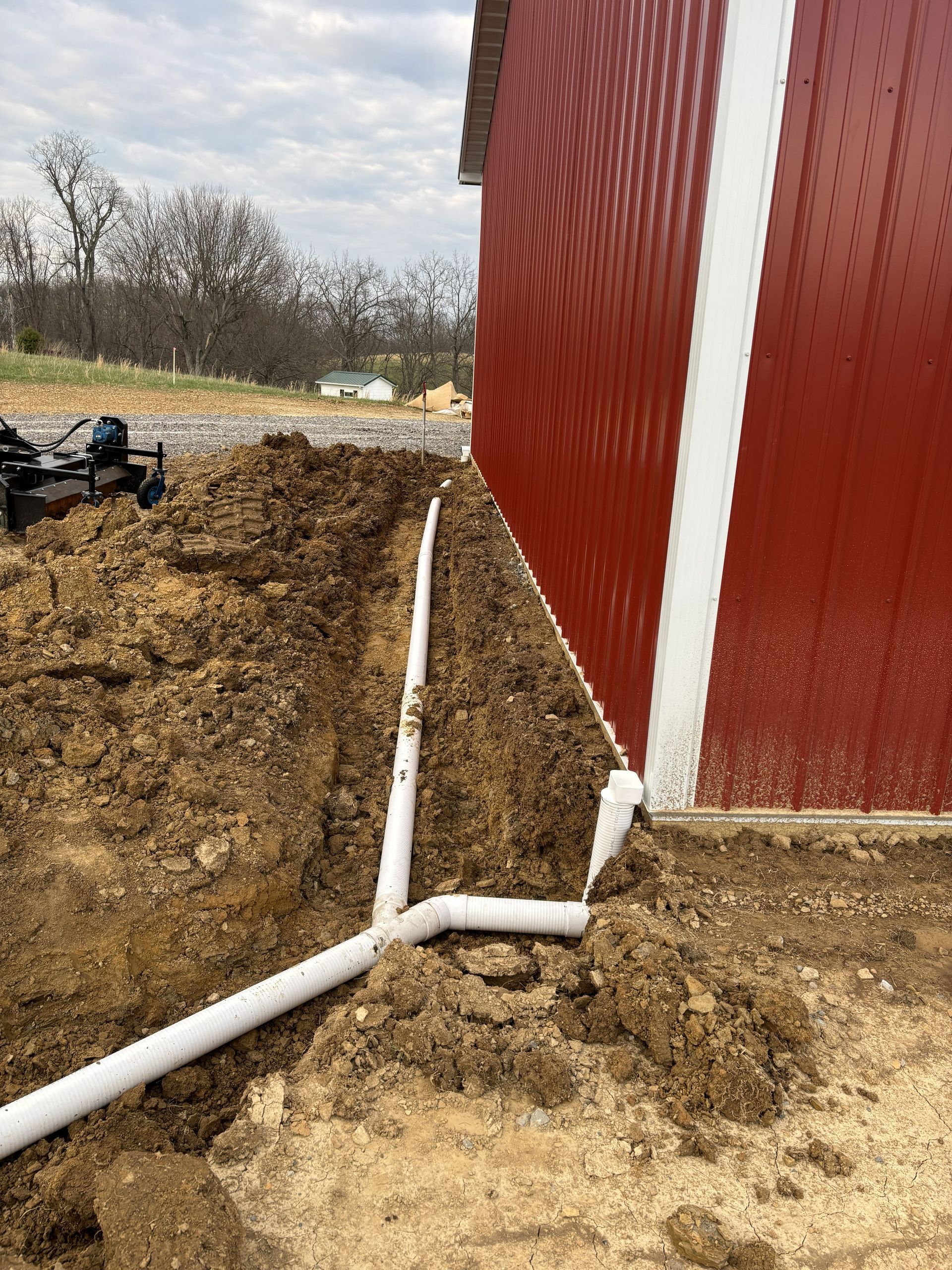
Systems Designed to Last Decades Underground
Septic Installs and Repairs in Zanesville for failing systems, new construction, and replacement needs
Old Iron Land Works llc handles septic installation and repair throughout Zanesville and the surrounding region, working with residential and rural properties where system failure shows up as slow drains, standing water in the yard, or sewage odors near the tank. The company addresses both new construction installations and full replacements where older systems have reached the end of their functional life. Every project begins with evaluating soil conditions, lot size, and drainage requirements specific to the property.
Septic work involves more than digging a hole and placing a tank—proper excavation depth, drain field placement, and grading determine whether the system processes waste efficiently for twenty years or fails within five. Ohio soil varies significantly across properties, affecting absorption rates and requiring adjustments to drain field design and gravel bedding depth.
Schedule a septic evaluation to identify system damage, capacity issues, or installation requirements for your property.
What Proper Septic Work Requires
Installation starts with identifying the drain field location based on soil composition, slope, and distance from wells or property lines, followed by excavation to the depth required for your specific tank size and local frost line. Grading around the tank and throughout the drain field controls how effluent moves through the system and prevents backflow during heavy rainfall.
Once the work is finished, you'll see restored drainage inside the home, no standing water where the drain field sits, and elimination of the sewage smell that indicated system failure. The yard is restored with minimal scarring, and the system operates without the backup issues that prompted the repair or replacement.
Old Iron Land Works llc protects surrounding landscaping during excavation and coordinates timing to avoid unnecessary delays, particularly important on properties where septic failure has already disrupted daily routines. Repairs address damaged tanks, crushed distribution lines, and compacted drain fields caused by vehicle traffic or soil saturation.
What Property Owners Usually Ask
Septic projects vary depending on whether you're installing a new system, replacing a failed one, or repairing specific components, and questions about timing, site impact, and system longevity come up frequently.
What signs indicate a septic system needs replacement rather than repair?
Persistent sewage odors near the tank, standing water over the drain field even during dry weather, and slow drainage throughout the house all point to system failure that typically requires full replacement rather than component-level fixes.
How does soil type affect septic installation in Zanesville?
Clay-heavy soil common in parts of the region slows effluent absorption, often requiring larger drain fields or additional gravel bedding to compensate for reduced permeability compared to sandy or loamy soil.
What happens to the yard during septic excavation?
Excavation disrupts the surface above the tank and throughout the drain field, but proper grading and topsoil replacement during restoration minimize long-term impact and allow grass to reestablish within one growing season.
When should septic repairs be scheduled?
Addressing slow drainage or minor backups immediately prevents full system failure, which can flood the yard, damage the tank, or require emergency excavation when the system stops processing waste entirely.
What's included in a septic installation estimate?
Estimates cover excavation, tank placement, drain field construction, grading work, and site restoration, with adjustments based on soil conditions, system size, and accessibility for equipment on your specific property.
Old Iron Land Works llc provides dependable scheduling and clear communication throughout excavation and installation phases, reducing uncertainty during projects that affect daily water use. Request an installation estimate or septic inspection to address system concerns before minor issues turn into full replacements.